What is Tian Guan Ci Fu?
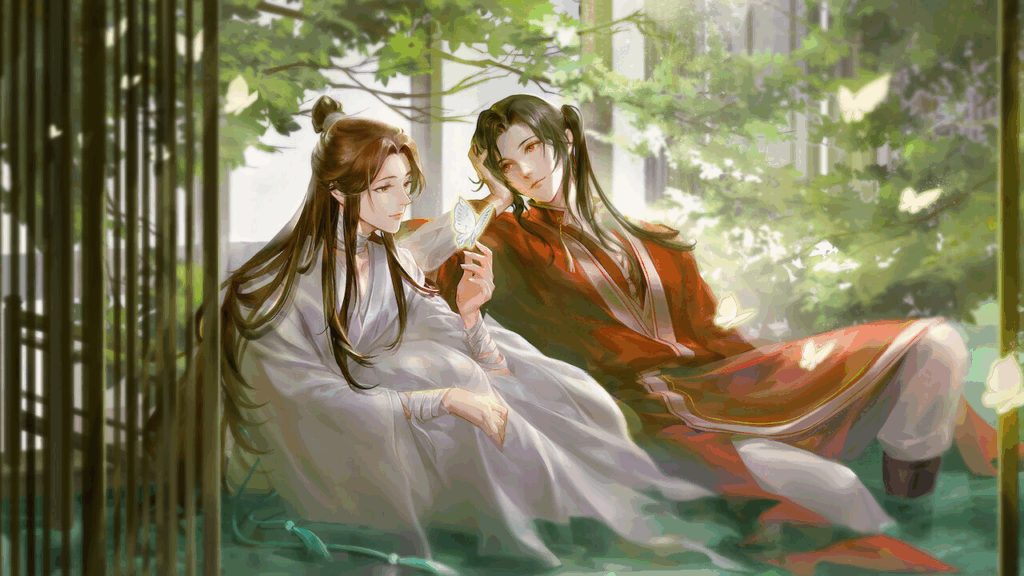
Tian Guan Ci Fu (天官赐福), also known as Heaven Official’s Blessing, or TGCF, is Mo Xiang Tong Xiu’s most recent work. It was published in 2017 on Jinjiang Literature City. Like Grandmaster of Demonic Cultivation (Mo Dao Zu Shi), it has been highly successful, and the English translation debuted at #8 on the New York Times bestsellers list.
Plot
Heaven Offical’s Blessing follows the story of Xie Lian after his third ascension to Heaven. It mostly centers around solving mysteries in the mortal, heavenly, and ghost realm, though many of them seem to be connected to him personally. Similarly to Grandmaster of Demonic Cultivation, Heaven Official’s Blessing also contains flashbacks to the protagonist’s earlier life, which explain his relationships with other characters and how his current understanding of himself came to be.
The most unique aspect of Heaven Official’s Blessing‘s plot is it’s world building. In the world of Heaven Official’s Blessing, humans can ascend into godhood through great deeds and the recognition of the universe, and they can also hold a strong enough resentment or hatred that, after death they become ghosts. In this way, ascending to godhood is similar to ascending to public fame, or becoming an idol, and a god’s follows are similar to “stans” in modern internet culture.(Ni)
Characters
Main Characters
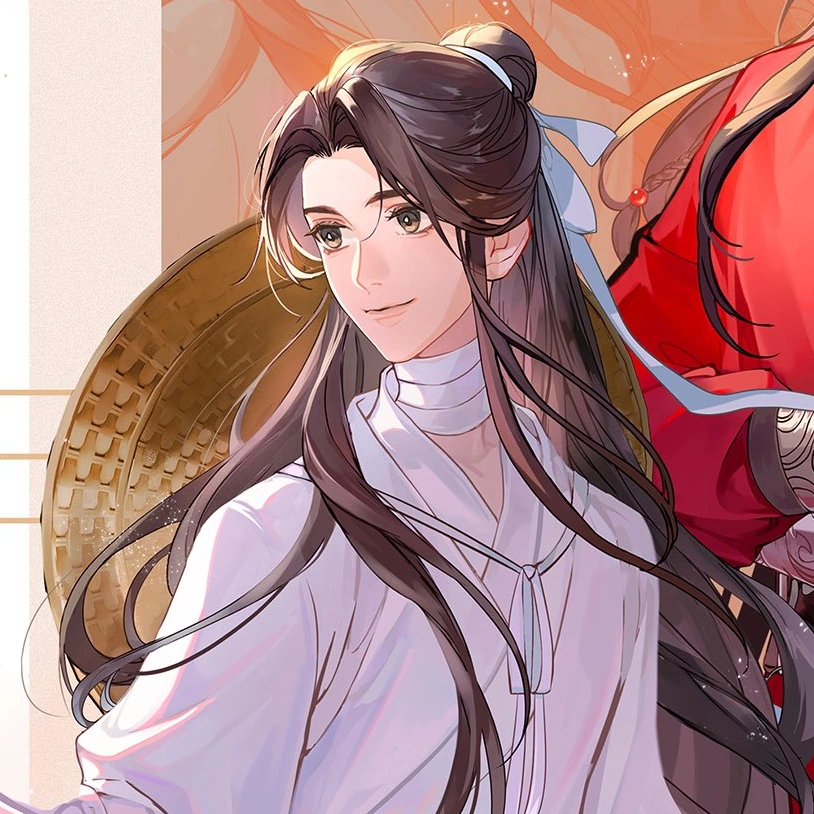
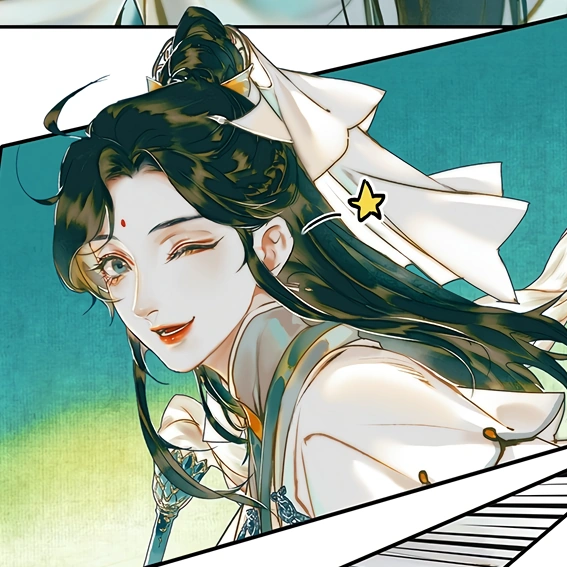
Xie Lian (谢怜)
- The main character
- Originally born as the Crown Prince of a prosperous kingdom, he practiced Daoism until he ascended to Godhood.
- His greatest wish is to help the common people, but his failure to do so practically doomed his kingdom and himself.
- He was kicked out of Heaven twice, and the story starts upon his third ascension.
- Kindhearted, thick-skinned, curious
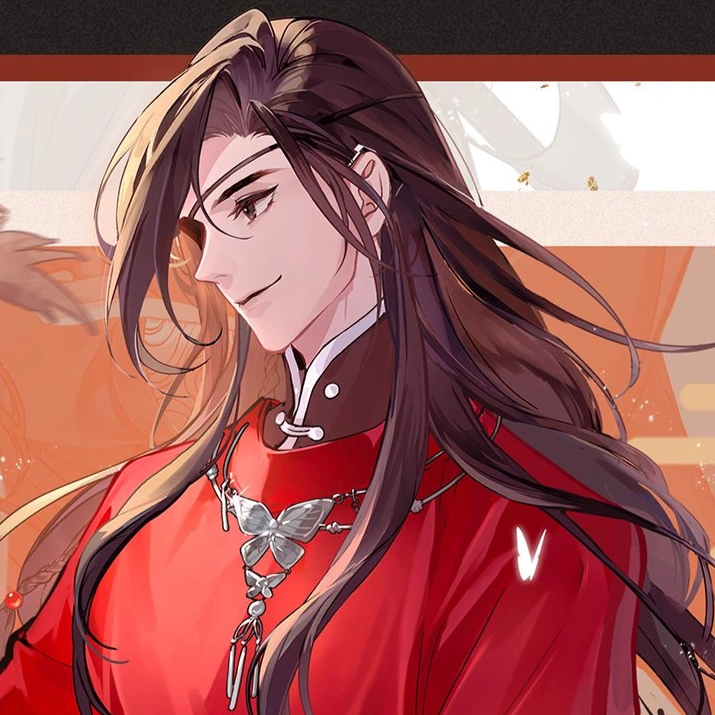
Hua Cheng (花城)
- Secondary character, Xie Lian’s love interest
- A ferocious Ghost King who terrified the Heavens and destroyed 33 gods in a single night.
- He’s taken an interest in Xie Lian’s adventures.
- He is the founder and leader of Ghost City, a safe haven for all kinds of evil ghosts and no-good miscreants.
- One of the Four Calamities (strongest Ghost Kings)
Side Characters
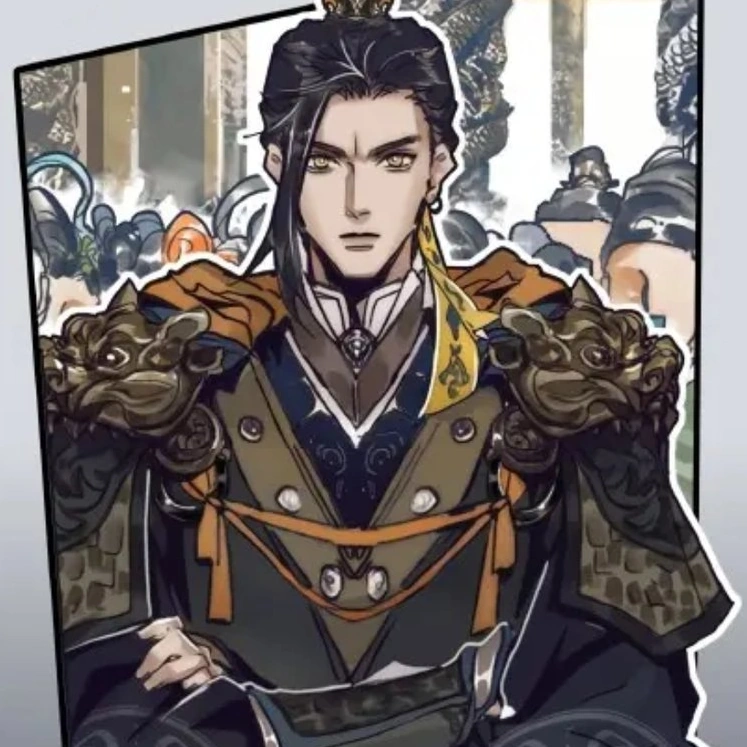
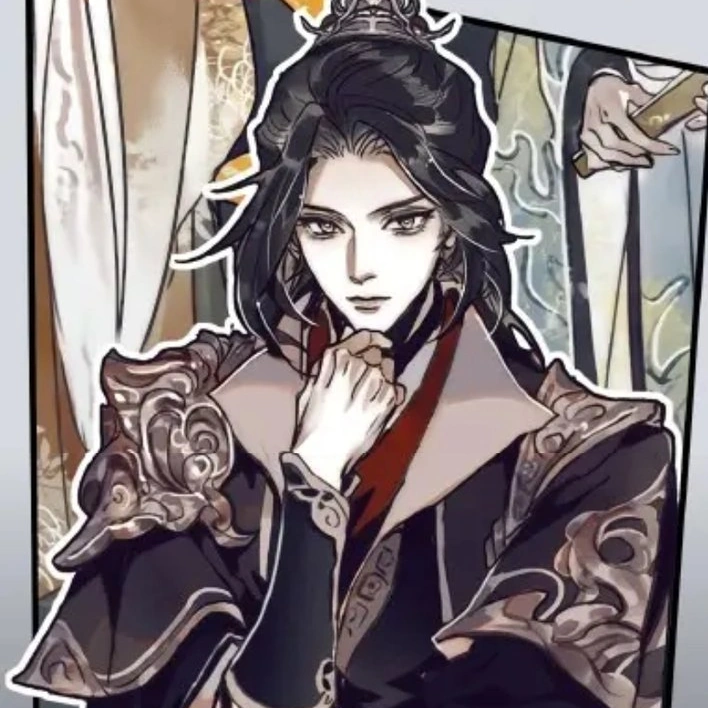
Feng Xin (风信)
- Xie Lian’s bodyguard as Crown Prince, and Deputy General during his first ascension.
- He left Xie Lian’s side after his expulsion from Heaven. Later, he ascended to godhood on his own merit.
- Good with a bow and in a fight, terrified of women.
- Hotheaded, blunt, and loyal.
Mu Qing (慕情)
- Xie Lian’s personal attendant as Crown Prince, and Deputy General during his first ascension.
- He left Xie Lian’s side after his expulsion from Heaven. Later, he ascended to godhood on his own merit.
- Sensitive about doing chores and bad at making friends.
- Sarcastic, insecure, and rude.
Shi Qingxuan (师青玄)
- A God who gets along well with everyone.
- One of the Elemental Masters, they control Wind.
- Their brother, the Water Master, is filthy rich.
- Favorite hobby is changing genders.
- Friendly, cheerful, and upstanding.
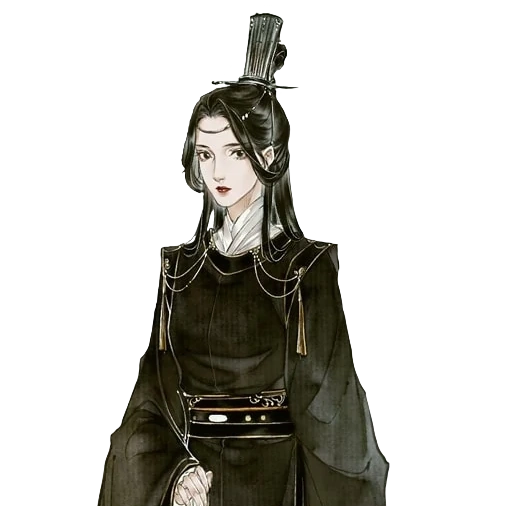
Ling Wen (灵文)
- The head Literary God in Heaven, Ling Wen has the thankless job of handling all of Heaven’s administrative affairs, and moderating all Heavenly group chats.
- One of the Three Tumors, most disliked, yet powerful Gods in Heaven
- Responsible, overworked, and disciplined.
Plot Themes
Loyalty and it’s limits
- Standing by your principals and those you care about even in times of suffering
- During Xie Lian’s first descent, his reactions and the reactions of those around him to the physical and mental struggles of exile
Eternity and Transience
- “There is no banquet in this world that doesn’t come to an end.” (MXTX, Heaven Official’s Blessing book 8, Chapter 130)
- Human willpower and faith vs the never ending grind of time
Sacrifice for justice
- “You called for the wrong person” (MXTX, Heaven Official’s Blessing book 4, Chapter 65)
- Sacrificing yourself and others in pursuit of a greater good or mission
Defying Fate
- “Once upon a time, you said to just give another cup of water, just like how today you wanted to choose a third path. Your intention is to expand the source—a beautiful thought. But I must tell you, it’s basically impossible.” (MXTX, Heaven Official’s Blessing book 2, Chapter 27)
- “Everything I have today, I fought for! I will fight for what I don’t have. I will change my fortune if fate denies me! My fate is up to me and not the heavens!” (MXTX, Heaven Official’s Blessing book 4, Chapter 65)
- “One person. Just one. Really. Just one person was enough!” (MXTX Heaven Official’s Blessing book 6, Chapter 104)
- Believing in a greater purpose or defying norms and fate in service of a greater purpose
Traditional Chinese Belief in Tian Guan Ci Fu
Adaptation of Chinese traditional Nuo Opera (NuoXi,傩戏)
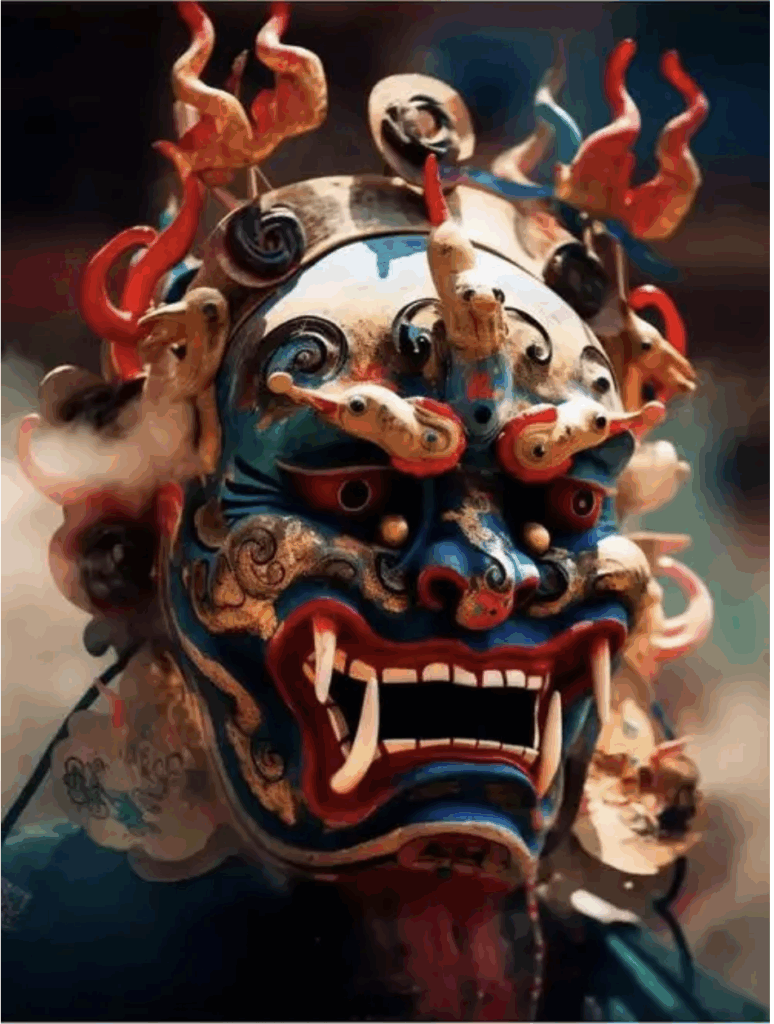
In Heaven Official’s Blessing, MXTX skillfully integrates traditional Chinese Nuo opera elements into the fantasy story. Nuo opera(NuoXi), an ancient ritual performance featuring masked dancers to expel evil spirits and pray for blessings, serves as an important cultural inspiration. The most striking example is Bai Wuxiang’s distinctive mask – one side crying, the other laughing. This design comes from traditional “dual expression” Nuo masks, but with a creative twist: instead of driving away disasters, the mask becomes a tool to spread the deadly “Human Face Disease”, revealing how sacred rituals can be corrupted.
The story gives deeper meaning to these masks. When Bai Wuxiang forces Xie Lian to wear one, it’s not just physical control but mental manipulation, making the wearer see the world differently. This reflects how authority can distort truth. In contrast, Hua Cheng never hides behind a mask, representing honesty and true devotion. The plot at Tonglu Mountain cleverly reverses traditional Nuo customs – instead of humans defeating ghosts, a so-called “evil spirit” (Hua Cheng) becomes the real protector.
Through these creative adaptations of Nuo culture, the novel explores meaningful themes about power, belief, and staying true to oneself. The author transforms ancient traditions into fresh storytelling that still feels relevant today, showing how old customs can inspire new ideas in literature. This imaginative use of cultural heritage makes the story both entertaining and thought-provoking.
The construction of the deity system(神明体系)
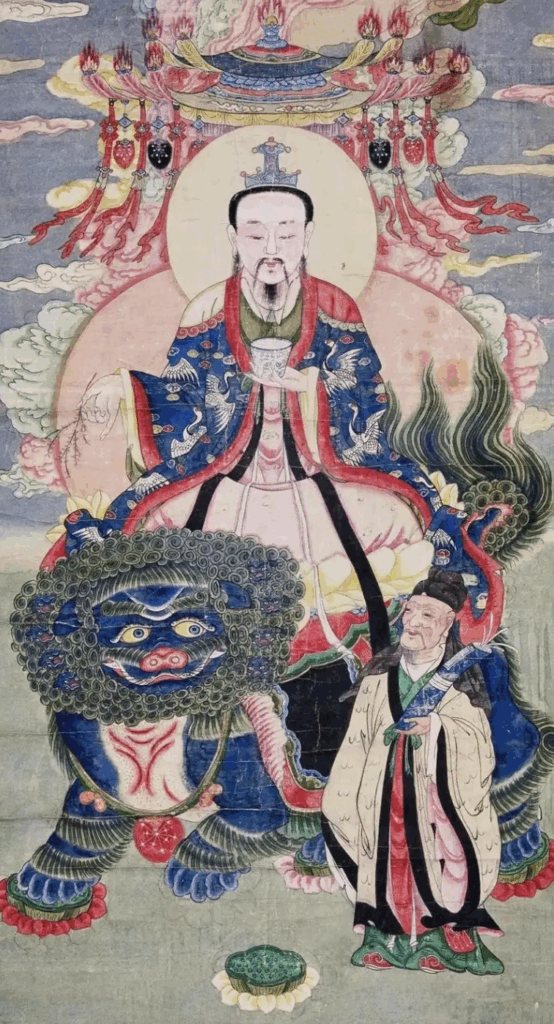
The divine system in Heaven Official’s Blessing presents a uniquely Chinese cosmological framework that creatively blends traditional religious concepts. This celestial hierarchy demonstrates several distinctive characteristics that reflect Chinese cultural values.
Firstly, the path to godhood requires moral cultivation and virtuous deeds, embodying the Daoist belief that mortals can attain divinity through spiritual practice. Xie Lian’s three ascensions vividly illustrate this principle. Secondly, deities derive their power from mortal worship, with neglected gods gradually weakening – a concept rooted in China’s folk religious tradition of reciprocal devotion between humans and gods.
The Heavenly Court operates as a strict bureaucratic system with clearly defined divine positions and responsibilities, mirroring China’s historical integration of political and religious structures. Most remarkably, the novel subverts the notion of perfect divinity, as seen when the supreme god Jun Wu descends into villainy, reflecting traditional Chinese skepticism toward absolute authority.
The entire celestial mechanism functions on karmic principles. Xie Lian’s rise and fall and Hua Cheng’s transformation demonstrate the Buddhist-Daoist concept of moral causation. Through depictions of divine officials scheming for followers, the work both demystifies traditional godhood and humanizes it, merging metaphysical concepts with worldly realities.
This imaginative reconstruction of Chinese religious cosmology preserves classical mythology’s essence while offering contemporary insights. It showcases the distinctive charm of China’s traditional understanding of divinity. The system ultimately serves as a mirror reflecting human nature, where even celestial beings must navigate moral dilemmas and power dynamics.
Works Cited
Mo Xiang Tong Xiu (MXTX) Becomes Triple New York Times Best Selling Author in One Week with Seven Seas Debut of Danmei Novels | Seven Seas Entertainment. (2025, December 23). Seven Seas Entertainment. https://sevenseasentertainment.com/2021/12/23/mo-xiang-tong-xiu-mxtx-becomes-triple-new-york-times-best-selling-author-in-one-week-with-seven-seas-debut-of-danmei-novels/